


In Conversation with Yifei Kong: Merging Tradition and Modernity in Jewelry Design


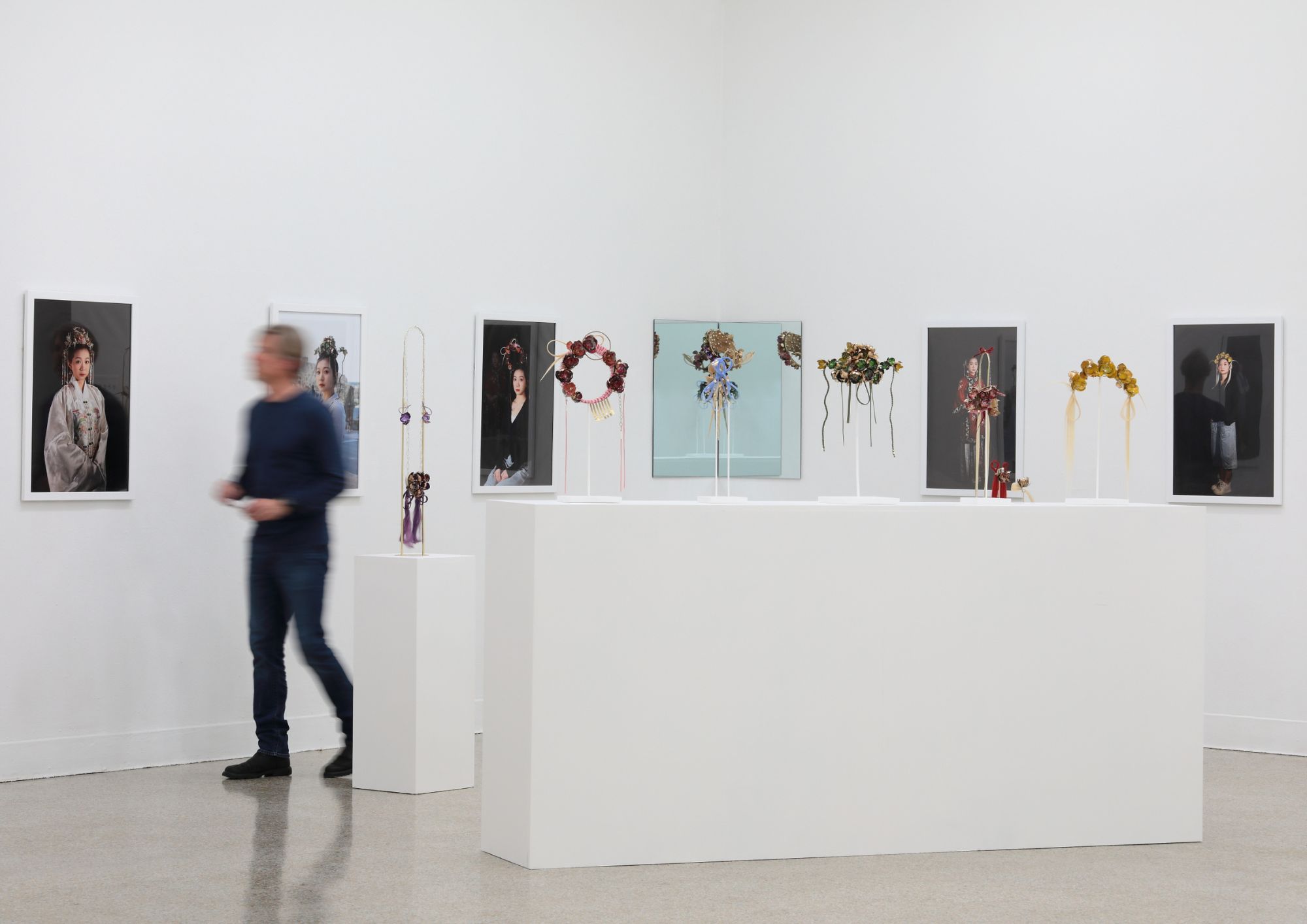
Designer Yifei Kong recently unveiled her latest wearable jewelry collection, I Am Who I Am, at an exhibition collaborating with non-metallic jewelry artists. Her collection delves deeply into her cultural heritage and identity as a Chinese woman, sparking conversations about the tension between tradition and modernity, particularly in the context of women’s roles in Chinese society. The exhibition featured standout pieces like See Me in a Crown, a striking design adorned with seasonal flowers and vibrant colors, as well as interactive elements such as a headpiece with a mirror that allowed visitors to experience her work firsthand.
Yifei’s designs not only reflect individuality and freedom but also challenge societal expectations surrounding beauty and self-expression. With sustainability at the core of her work, she incorporates recyclable materials, emphasizing the importance of environmentally conscious practices in her creations. We had the opportunity to speak with Yifei about her artistic journey, inspirations, and the
message behind her work.
Hi Yifei, congratulations on your recent exhibition! What was the most interesting experience for you, and how did it impact your creative process?
Thank you! I have to say that collaborating with artists who specialize in non-metallic jewelry made this exhibition truly special. It was also the first time I integrated photography and film into my work, which felt like an important step. These elements help the audience connect with the historical stories behind my designs and better understand my perspective.
Do you have a favorite piece from your collection? If so, which one is it, and why does it stand out to you?
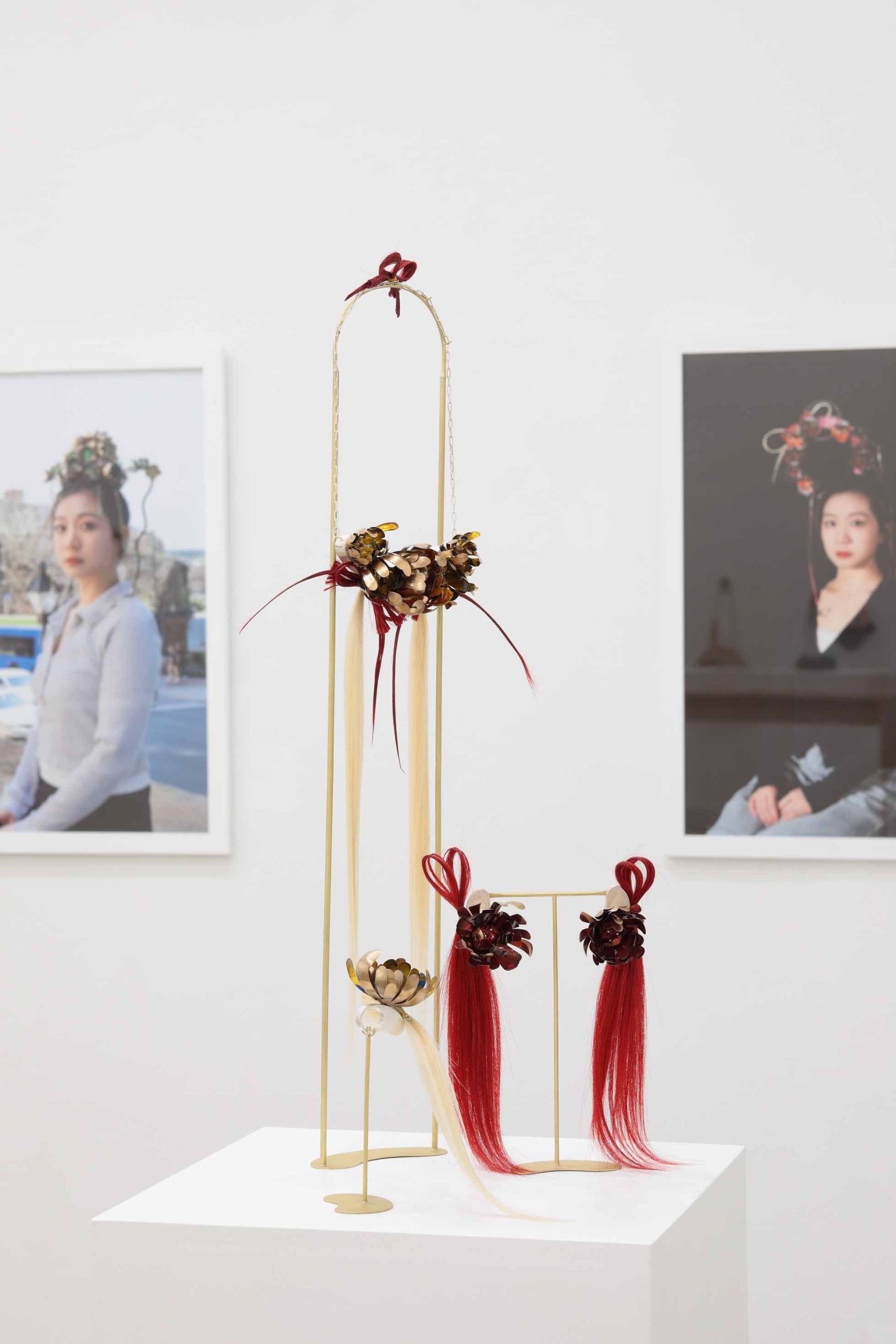
Yes, I’m particularly fond of See Me in a Crown. In this piece, I used flowers representing the four seasons, incorporating rainbow colors. Yellow, a color historically reserved for royalty in ancient China, is also featured. I love that this piece reflects the changing seasons and allows women to express themselves freely, without the constraints of class or identity. I also used hair colors that are not naturally seen in Chinese people to symbolize the autonomy and freedom that contemporary women embrace. Additionally, the hair in my design is fixed, replacing the traditional swaying part in hair accessories, allowing wearers to move freely.
That sounds fascinating! Could you tell us more about the works you exhibited at the show?
Besides the physical pieces, I also exhibited photographs of myself wearing the designs, along with videos showing how the pieces are worn. There was also a headpiece with a mirror attached, which allowed visitors to experience what it feels like to wear my work firsthand.
How did the audience respond to the exhibition?
The feedback was positive and constructive. The audience could understand the historical context and the stories I wanted to convey through my designs. This experience has strengthened my confidence in using modern art to present Chinese culture and history to people from diverse backgrounds.
How would you describe your designs in one sentence?
My designs combine traditional Chinese culture and history with modern society, using contemporary jewelry techniques and materials to create pieces that are both meaningful and emotionally resonant.
Is sustainability important to you in your work? What are your thoughts on the fashion industry’s issues with overproduction and waste?
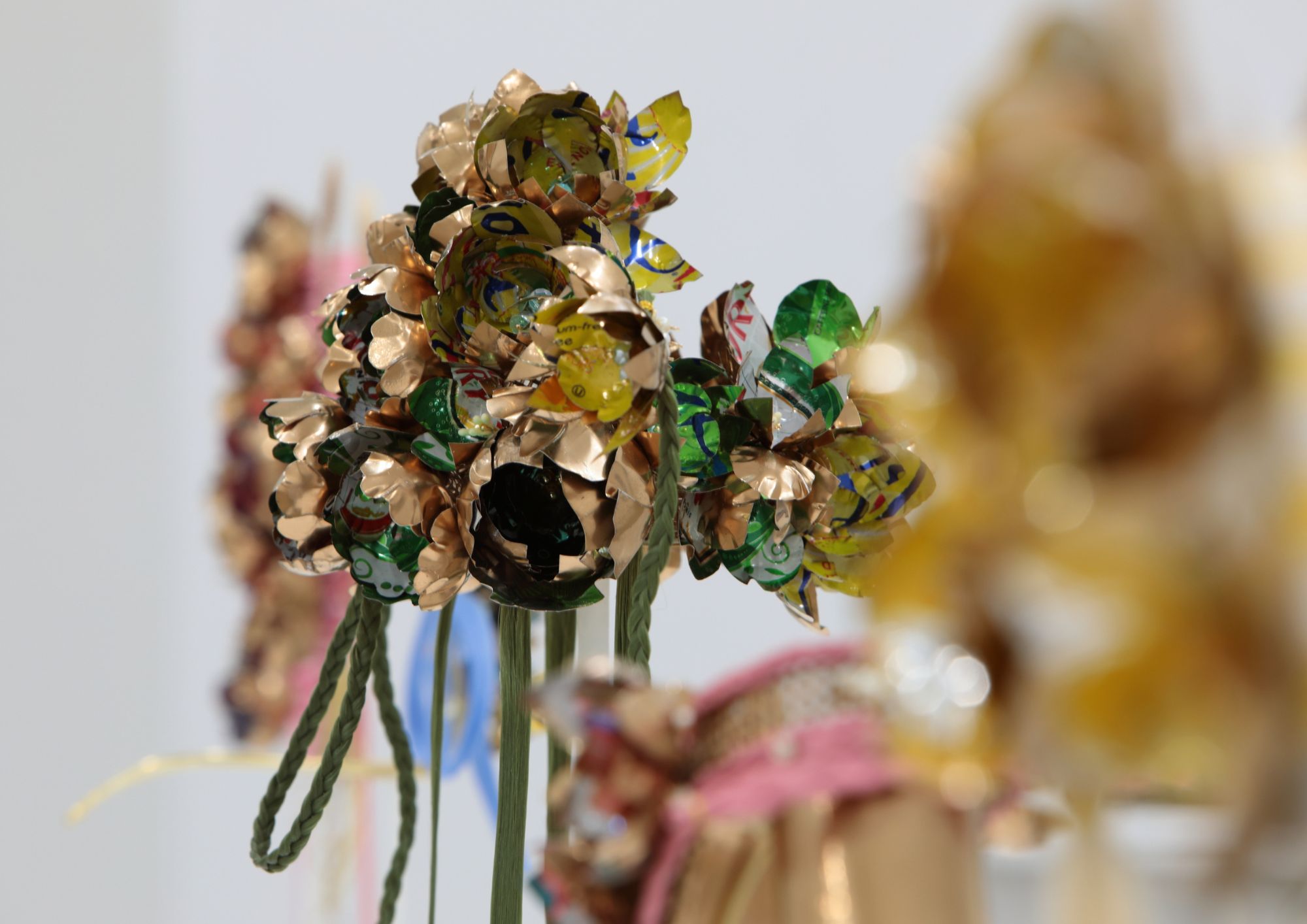
Absolutely, sustainability is a key part of my design philosophy. My recent work, for example, uses recyclable materials like aluminum cans. I focus on ethically sourced materials and environmentally friendly practices. The overproduction and waste in the fashion industry are alarming, contributing to environmental harm and the depletion of resources. I believe designers have a responsibility to create high-quality, timeless pieces that minimize waste and encourage conscious consumption. By embracing sustainable practices, we can foster a more responsible industry while preserving artistic integrity and cultural significance.
What’s next for you? Do you plan to explore other areas of design?
Yes, I’m considering further incorporating photography into my work, and I’m also thinking about exploring clothing design in the future.

